

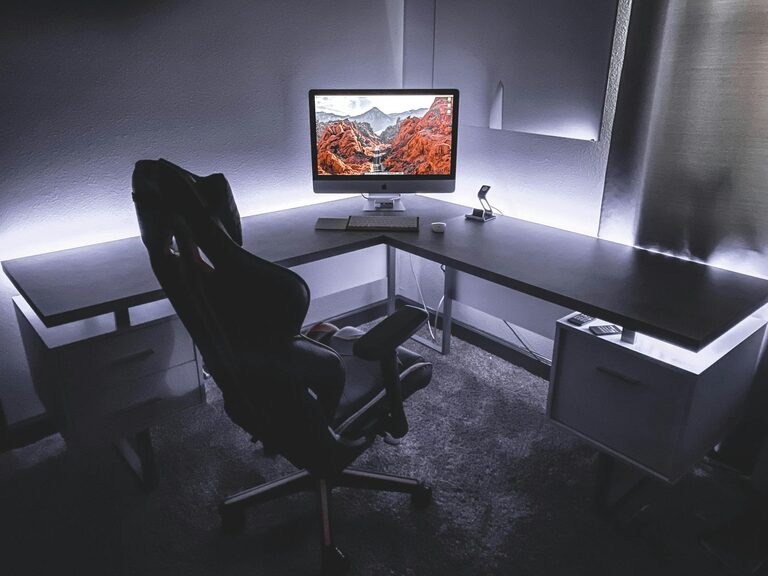
Creating a home office that is both cozy and productive can significantly enhance your work-from-home experience. Whether you’re a full-time remote worker or occasionally need a quiet spot to focus, the right environment helps you stay motivated and comfortable throughout the day. In this post, we’ll explore practical tips to design a workspace that supports your goals and feels inviting.
1. Choose the Right Location
Selecting the proper spot for your home office is the first step. Ideally, look for a space with minimal distractions and enough room for your essential work tools.
– Natural light: Position your desk near a window if possible. Natural light boosts mood and reduces eye strain.
– Privacy: Pick a quiet corner or a room with a door to help you concentrate.
– Ventilation: Good airflow keeps the space fresh and comfortable.
2. Invest in Comfortable and Ergonomic Furniture
Comfort is key to maintaining focus for extended periods.
– Ergonomic chair: Choose a chair that supports your back and encourages good posture.
– Desk height: Ensure your desk matches your height to prevent strain on wrists and shoulders.
– Adjustability: Adjustable chairs and desks can be customized to your comfort.
3. Organize Your Space Efficiently
Clutter can hinder productivity and cause stress. Keep your workspace tidy and organized.
– Storage solutions: Use shelves, drawers, or filing cabinets to store documents and supplies.
– Daily essentials: Keep frequently used items within arm’s reach.
– Cable management: Use clips or sleeves to organize cords and reduce desk mess.
4. Personalize Your Workspace
Adding personal touches makes your office feel welcoming.
– Decor: Include artwork, plants, or photos that inspire you.
– Color scheme: Choose calming or motivating colors, such as soft blues or energizing yellows.
– Lighting: Add a desk lamp with adjustable brightness for focused tasks.
5. Minimize Distractions
Staying focused is easier when distractions are reduced.
– Noise control: Use noise-canceling headphones or white noise machines to block out background sounds.
– Clear boundaries: Set clear work hours and communicate with household members to respect your workspace.
– Digital distractions: Limit app notifications or use focus apps for uninterrupted work sessions.
6. Maintain a Healthy Routine
Your environment should support your well-being.
– Regular breaks: Take short breaks to stretch and rest your eyes.
– Hydration: Keep water nearby to stay hydrated.
– Movement: Consider a standing desk or take brief walks to avoid sitting too long.
7. Use Technology Wisely
Optimize your technology setup for productivity.
– Reliable internet: A strong, stable connection is essential for virtual meetings and online tasks.
– Quality equipment: Invest in a good microphone, camera, and keyboard to improve comfort and communication.
– Backup solutions: Use cloud storage or external drives to safeguard important work.
8. Keep It Flexible
Your needs may change, so make your space adaptable.
– Modular furniture: Furniture that can be rearranged easily helps accommodate different tasks.
– Multi-use space: If your home office doubles as another room, use screens or curtains to separate work and living areas.
—
By thoughtfully designing your home office, you can create a peaceful, efficient space that supports your work and well-being. These tips can help turn any corner into a cozy and productive workspace tailored to your unique needs. Take small steps to improve your setup today and enjoy the benefits of working from home with comfort and focus.